Introduction: Facility Profile and Project Stakes
Patterson-Kelley Thermific boilers installed in the 1980s continue to support reliable heat for a New Jersey school district thanks to consistent preventive maintenance and combustion care.
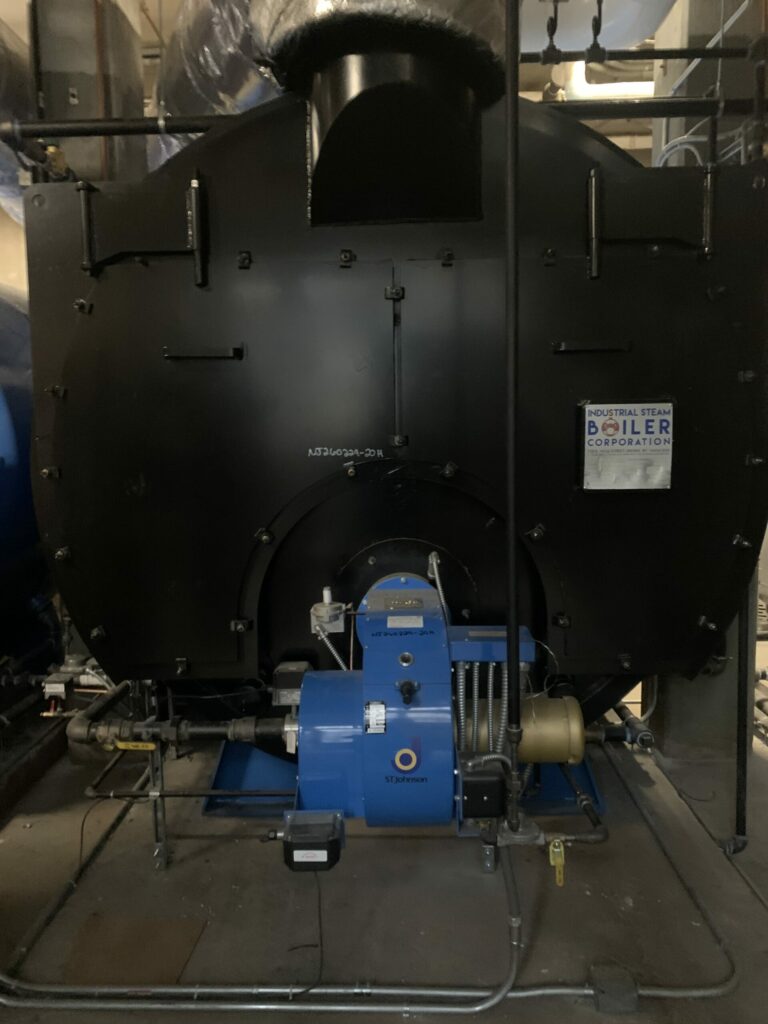
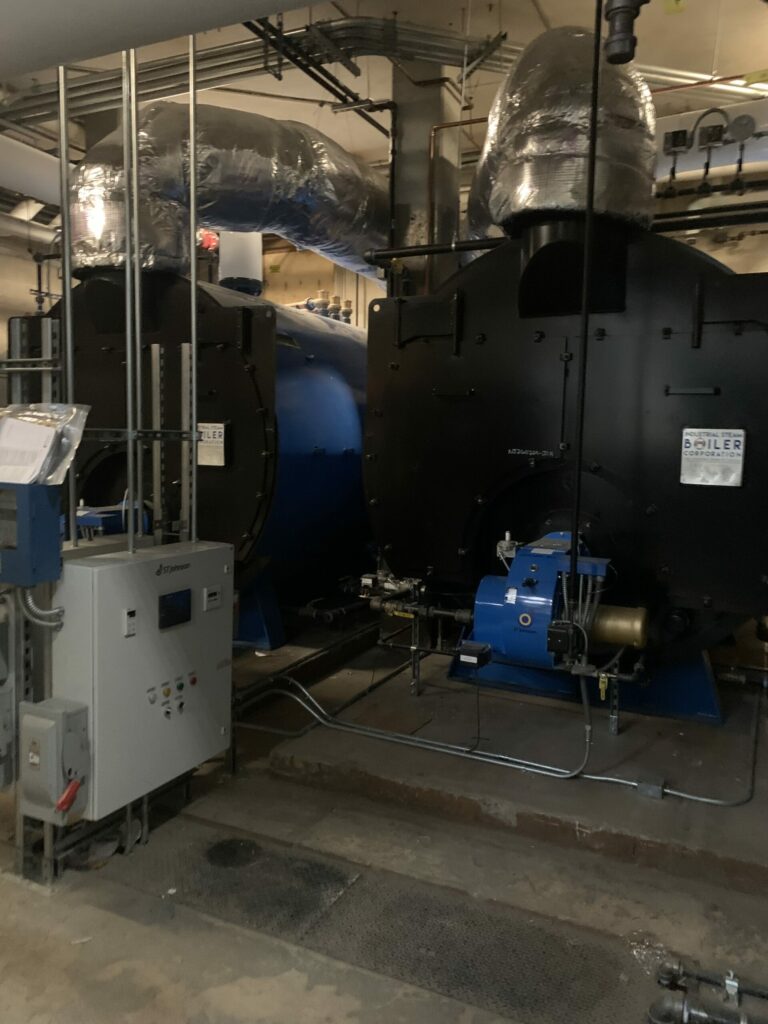
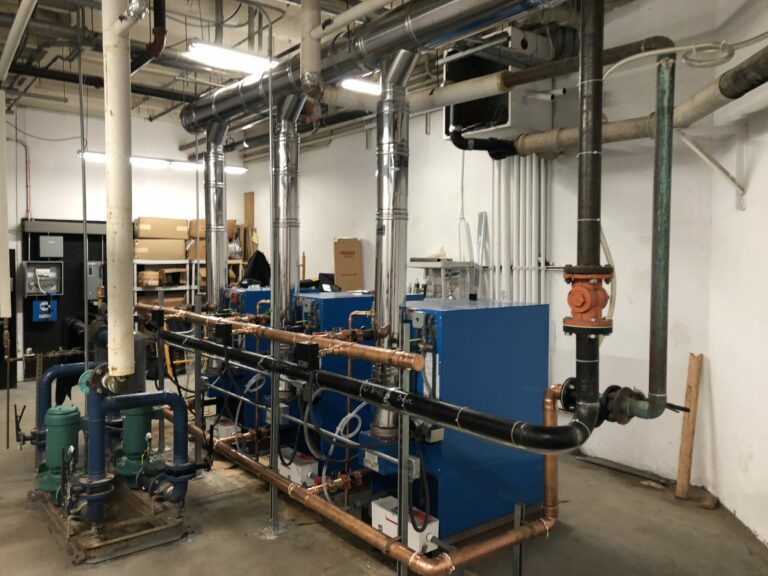
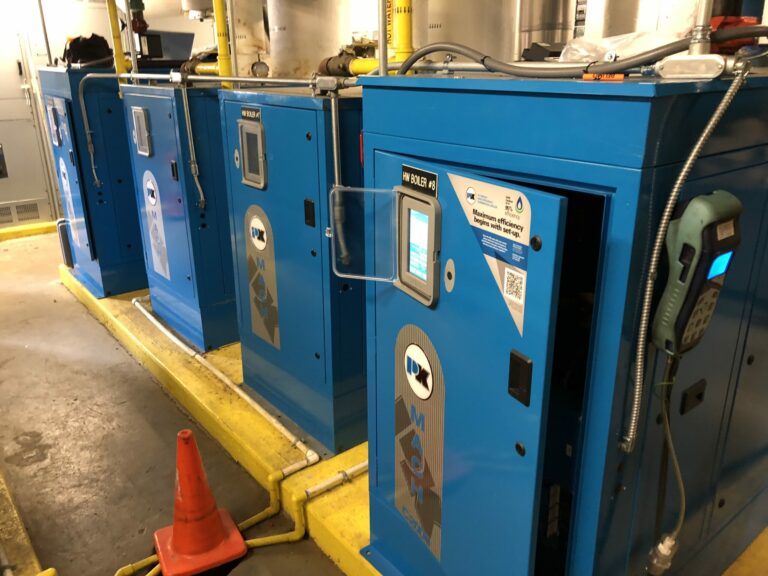
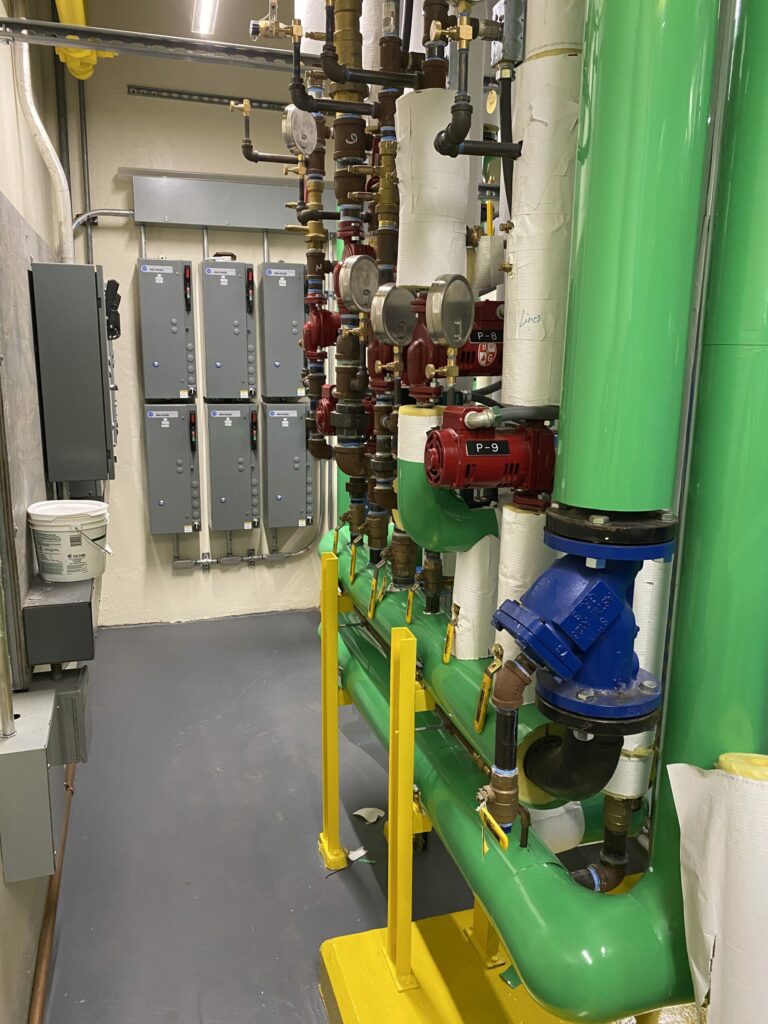
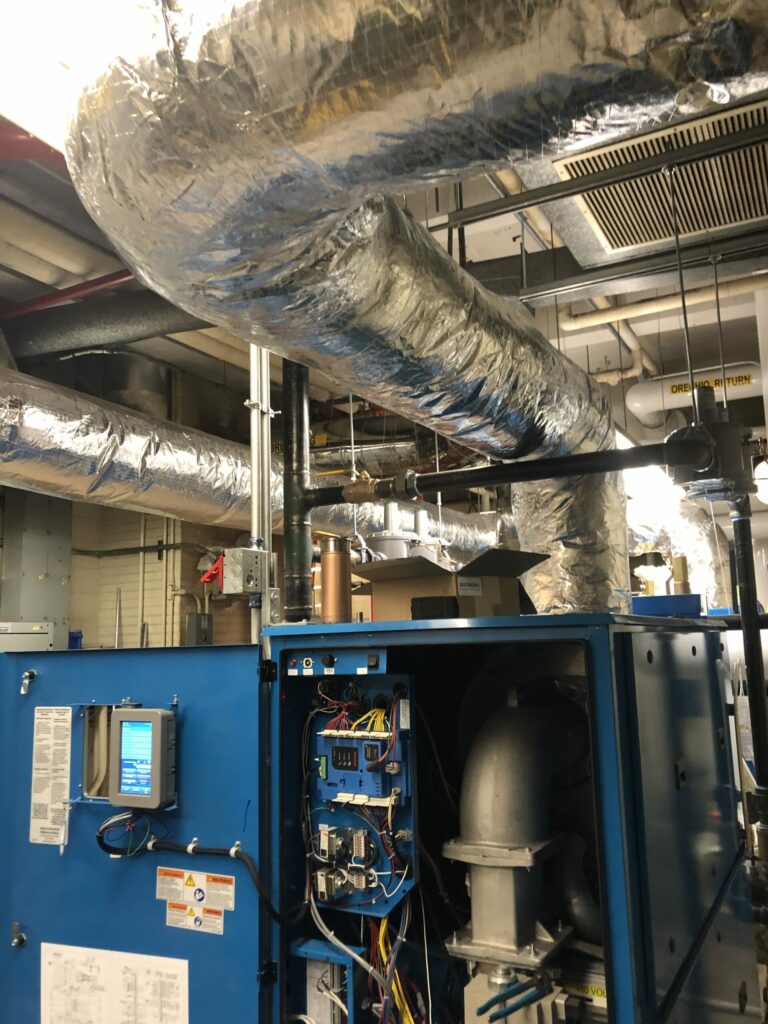
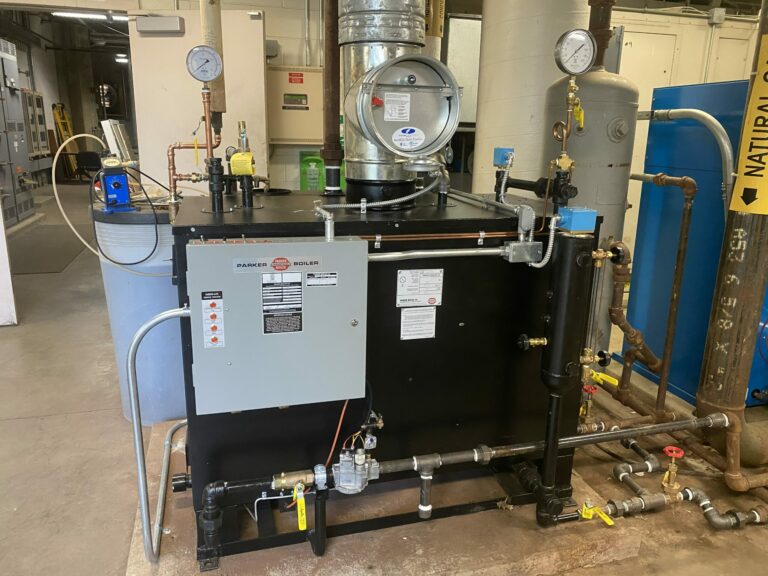
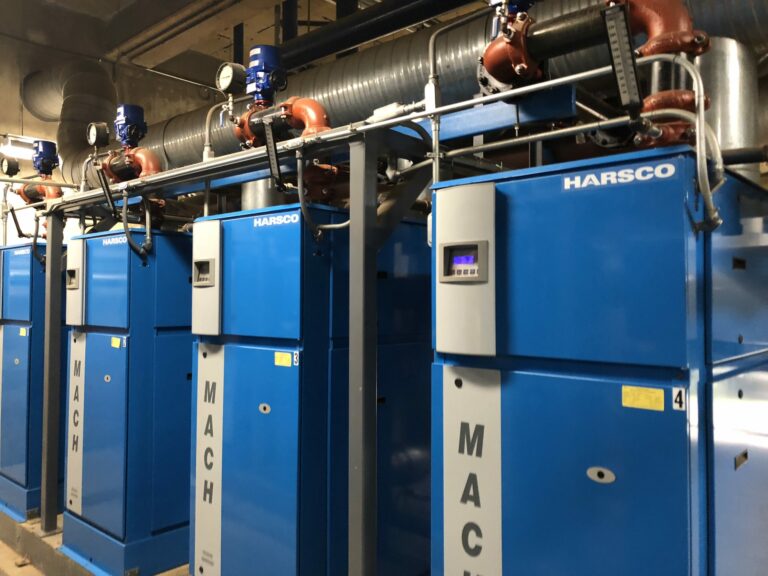
The school district in New Jersey relies on a central boiler plant to provide heating for classrooms, common areas, and support spaces across its buildings. The heart of this plant is a set of Patterson-Kelley Thermific boilers that were installed in 1986 and have remained in service for decades. Industrial Combustion Associates was engaged to help the district protect this investment by focusing on maintenance, combustion performance, and safety so the equipment could continue to operate reliably through current and future heating seasons.
Project Overview: Existing System Constraints and Risks
By the time ICA was brought in, the Thermific boilers had already delivered many years of service. Age alone, however, introduced new concerns around reliability, efficiency, and parts availability. The district wanted to avoid premature replacement while still maintaining safe, dependable operation.
Key issues included:
- Aging burners, controls, and mechanical components with mixed service histories.
- Inconsistent documentation of previous adjustments and combustion readings.
- Risk of mid-season failures due to wear that was not always visible during casual inspection.
- Questions about whether the boilers were still operating at reasonable efficiency for their age.
These factors created risk during cold weather when the school buildings must remain comfortable and open. Unplanned downtime could disrupt classes, force temporary relocations, and add stress to maintenance staff who already juggle many facility responsibilities.
Solution: Selected Equipment and System Design Rationale
Instead of replacing the Thermific boilers immediately, the district and ICA aligned on a program to stabilize and optimize the existing plant. The focus was on annual service, combustion tuning, and safety verification so the boilers could continue to perform reliably while the district planned for longer-term capital upgrades.
The approach to the existing equipment focused on:
- Performing thorough annual inspections on each Patterson-Kelley Thermific boiler, including burners, safeties, and venting.
- Standardizing combustion testing and tuning to maintain proper air–fuel ratios across expected load conditions.
- Verifying operation of safety devices and interlocks to support code-compliant, safe operation.
- Documenting findings, recommended repairs, and parts needs to inform future planning.
By treating the Thermific boilers as assets to be actively managed rather than simply “old equipment,” the team created a framework to keep the plant running while controlling risk and supporting budgeting discussions.
Consultative Execution: Engineering Approach and Coordination
Industrial Combustion Associates acted as a consultative partner, not just a service vendor. The work began with a review of the plant’s existing configuration, equipment age, and known trouble spots, followed by on-site inspections and testing.
Key elements of the approach included:
- Assessing the operating schedule, load patterns, and seasonal demands on the boiler plant.
- Coordinating service windows with school administrators and maintenance staff to avoid disrupting classes.
- Developing consistent checklists and reports so conditions could be compared from year to year.
- Providing recommendations on minor upgrades, replacement parts, and adjustments that would yield the most benefit for reliability and safety.
By aligning maintenance activities with the district’s real-world operating constraints, ICA helped ensure that the work fit within available access windows and staffing.
Results & Operational Impact: Post-Implementation Performance
With a structured maintenance and tuning program in place, the school district has seen more predictable performance from its 1986-era Patterson-Kelley Thermific boilers. The equipment continues to provide heat for the buildings while operating within safe, tested parameters.
Observed improvements include:
- Fewer unexpected heating issues during the winter season due to proactive identification of wear and faults.
- More consistent boiler operation and output temperatures during school hours.
- Increased confidence in safety devices and combustion settings through documented testing.
- Clearer visibility into when components should be replaced, supporting better capital planning.
These improvements help the district maintain comfortable learning environments while getting more value from long-serving boiler assets.
Why This Matters for Similar Facilities and Applications
Many school districts and institutional campuses in New Jersey operate boiler plants that were installed decades ago and are still in daily use. When these plants are maintained only on an as-needed basis, small issues can accumulate until they cause major disruptions.
A structured program like the one used for this district can help similar facilities:
- Extend the useful life of existing boiler equipment while maintaining safety.
- Reduce emergency calls and unplanned outages during peak heating season.
- Build a practical roadmap for future replacements based on documented condition rather than surprises.
Industrial Combustion Associates supports boiler and combustion projects across New Jersey, helping facilities get the most from existing plants while preparing for the next generation of equipment.
Request a Free Specification Quote
Commercial, industrial, and institutional facility teams in New Jersey can request a no-obligation review of their boiler plants to evaluate maintenance, tuning, and upgrade options. The review can cover loads, existing codes and venting, space constraints, and equipment condition so that the resulting plan aligns with both operational needs and long-term capital goals.